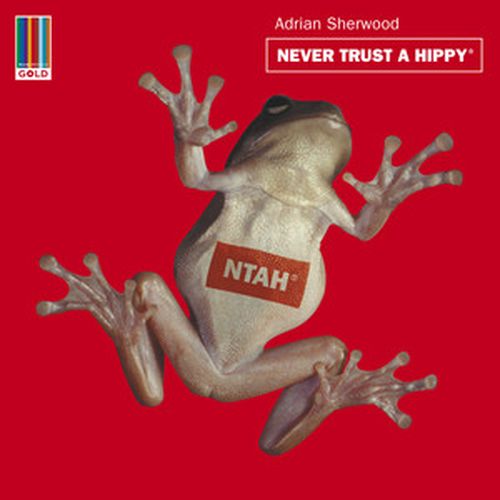
2003
Never Trust a Hippy
Key tracks: Hari Up Hari, No Dog Jazz, Paradise Of Nada
First solo LP on Real World Records, crystallizing his dub laboratory approach with heavyweight rhythm sections and spacious FX.
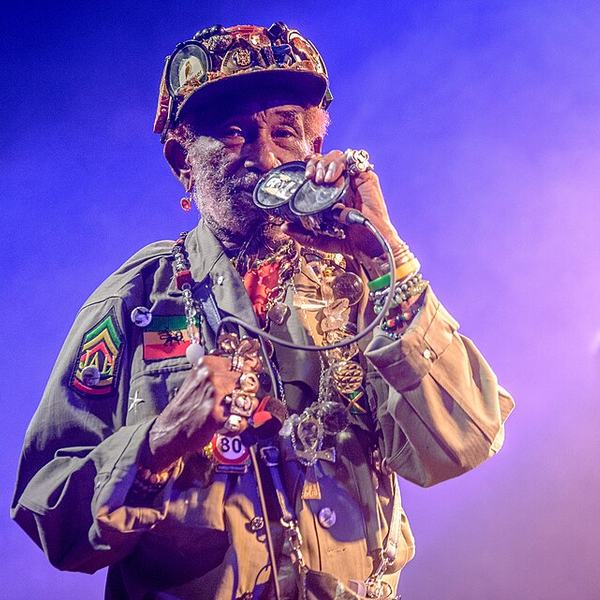 Lee "Scratch" Perry
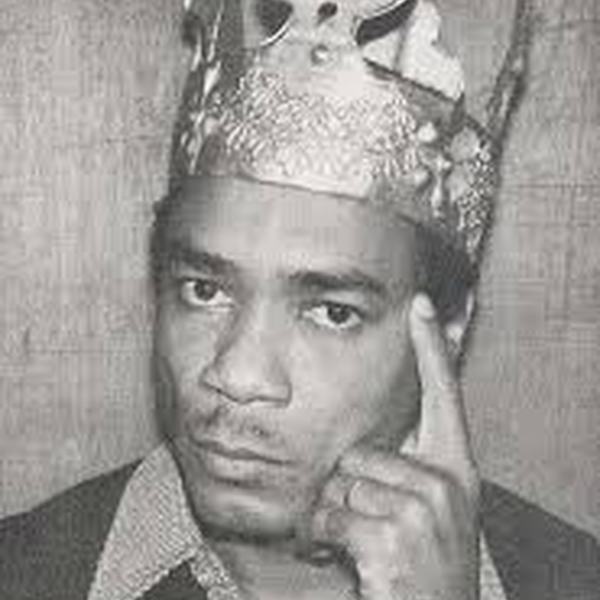 King Tubby
 Kēvens
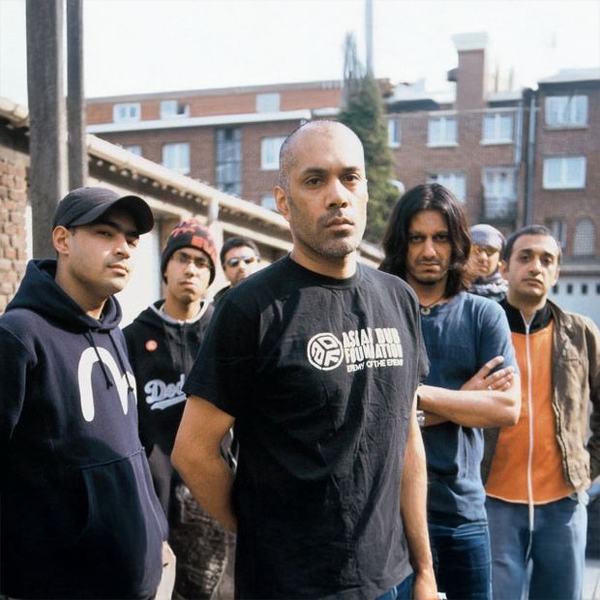 Asian Dub Foundation
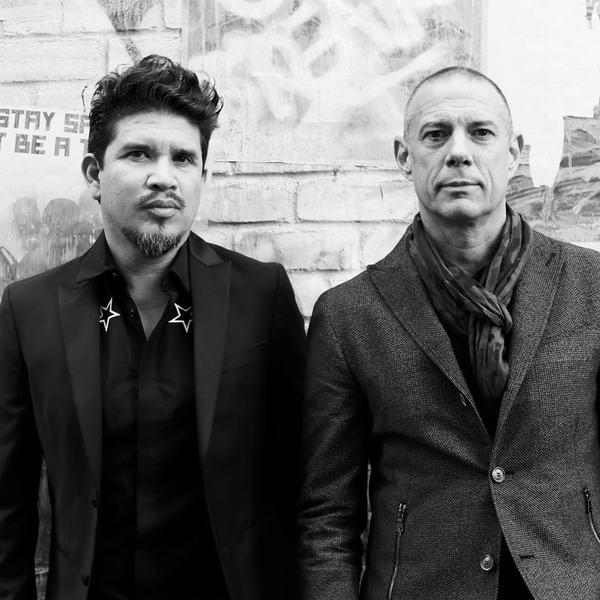 Thievery Corporation
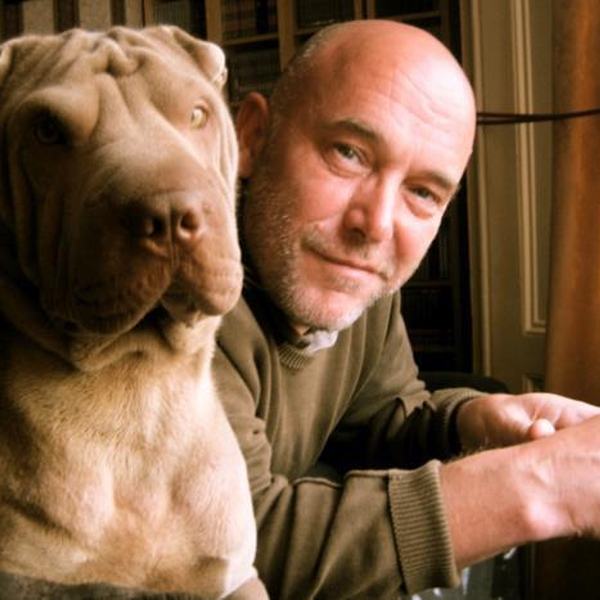 Adrian Sherwood
 General Levy
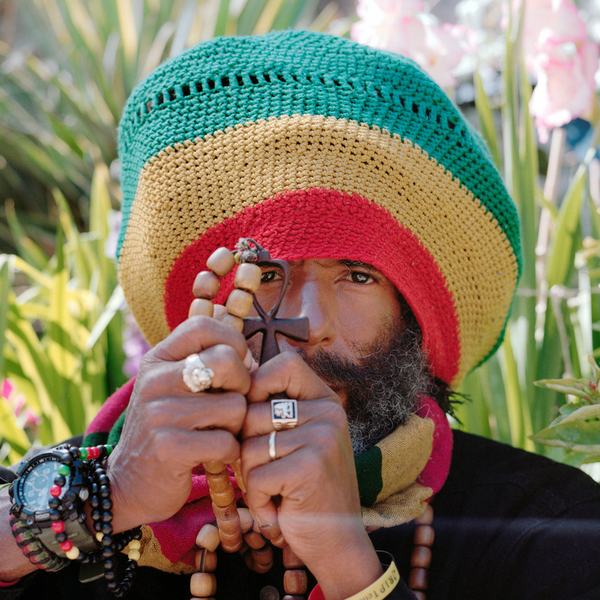 Congo Natty
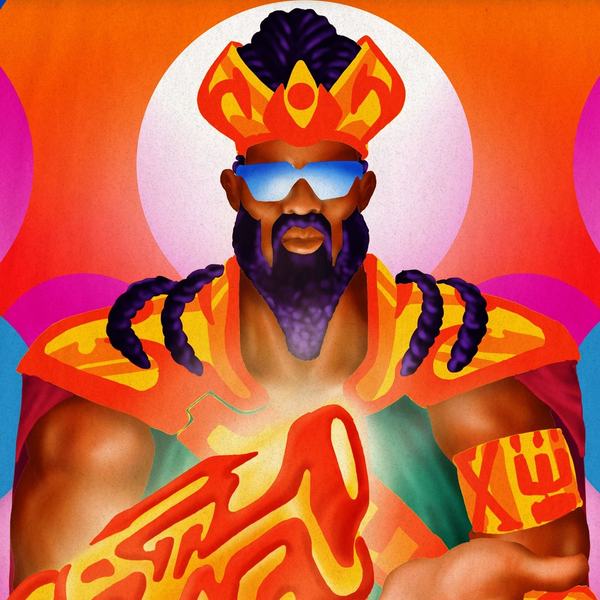 Major Lazer
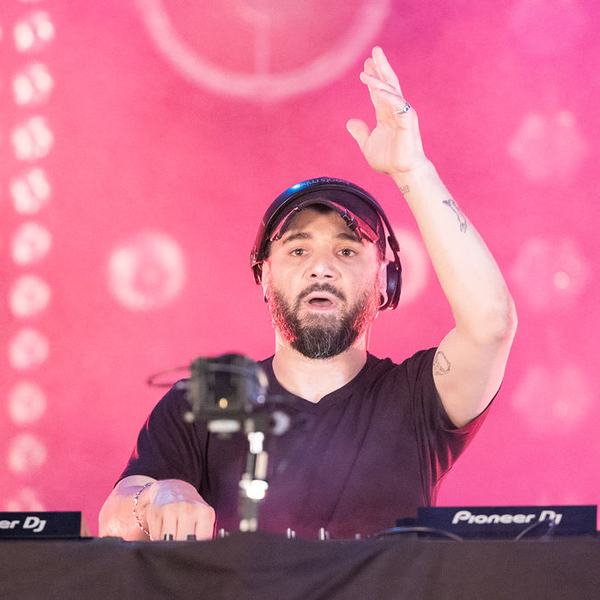 Skrillex
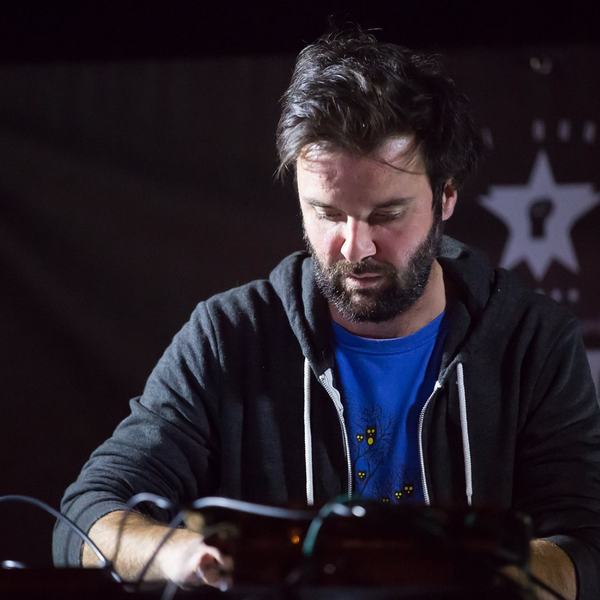 Ondubground
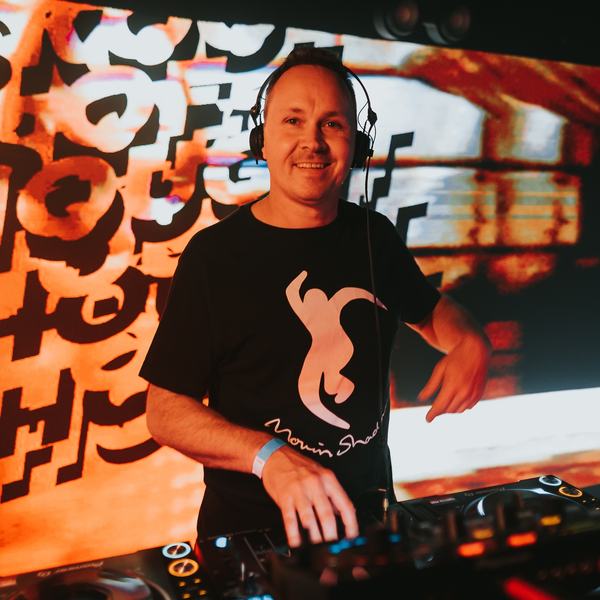 Skool of Thought
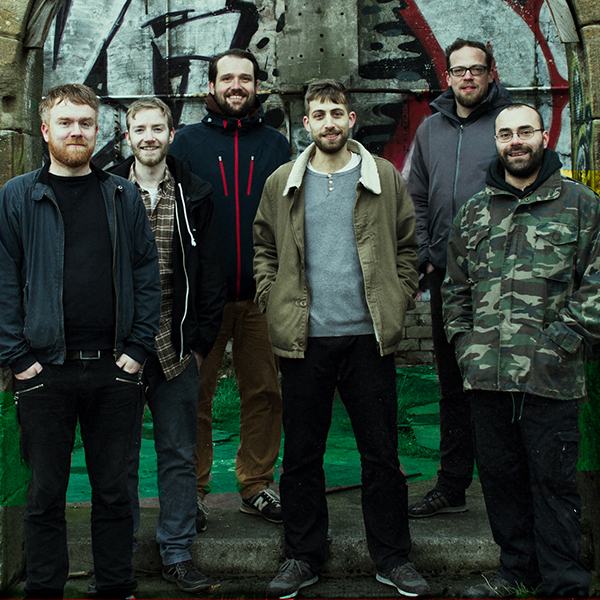 Mungo's Hi Fi
 The Toughers
 Atlantic Connection
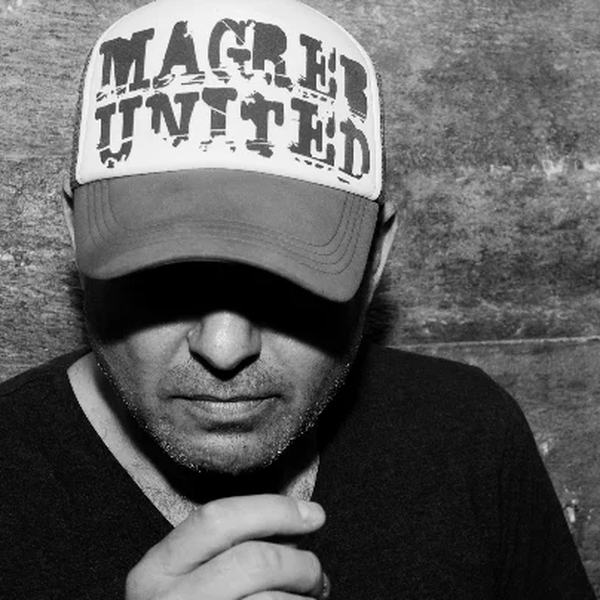 Laroz
Laroz Zingara
 Clipz
Clipz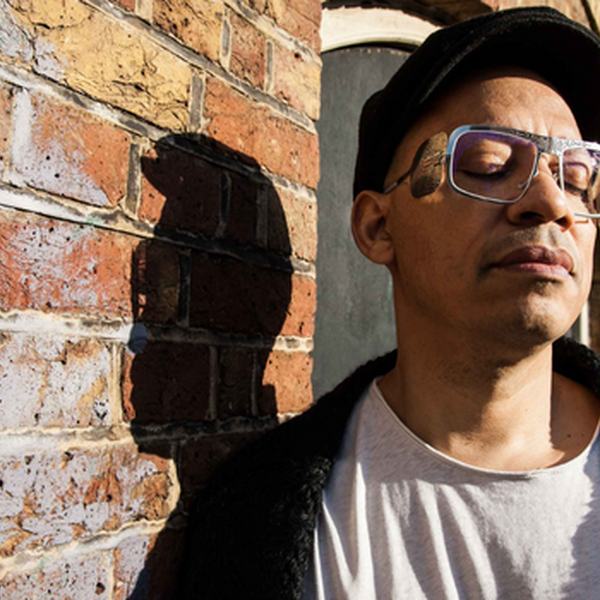 LTJ BUKEM
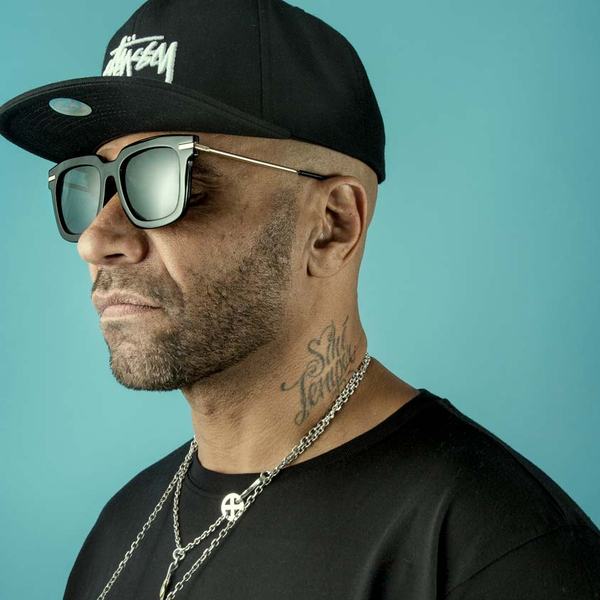 Goldie
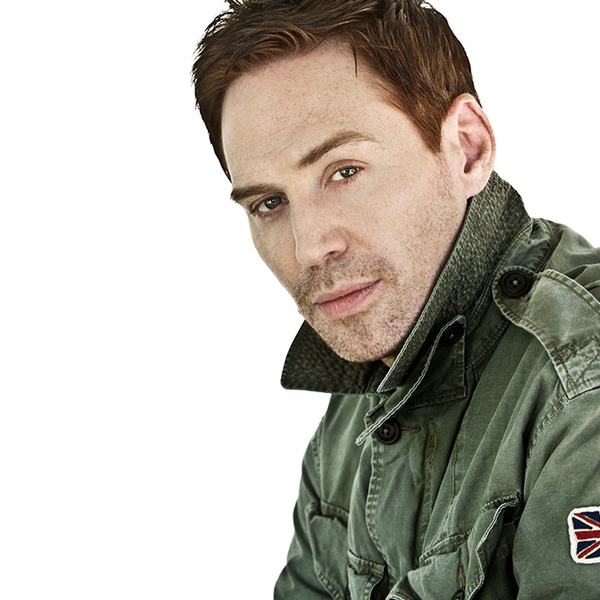 Photek
 Rudimental
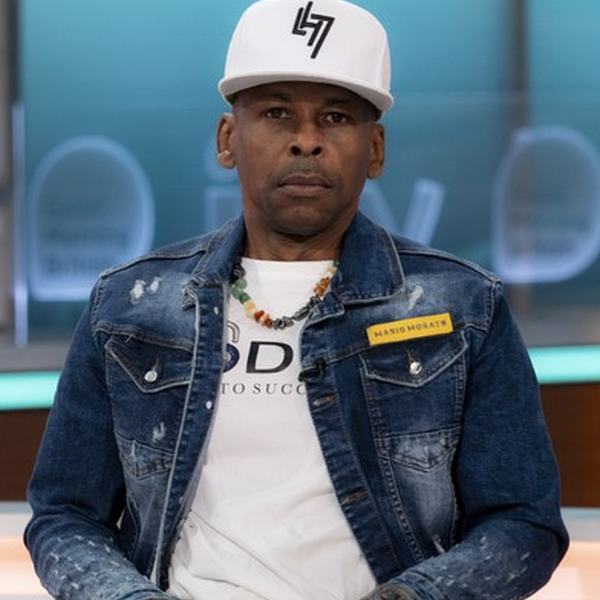 Asher Senator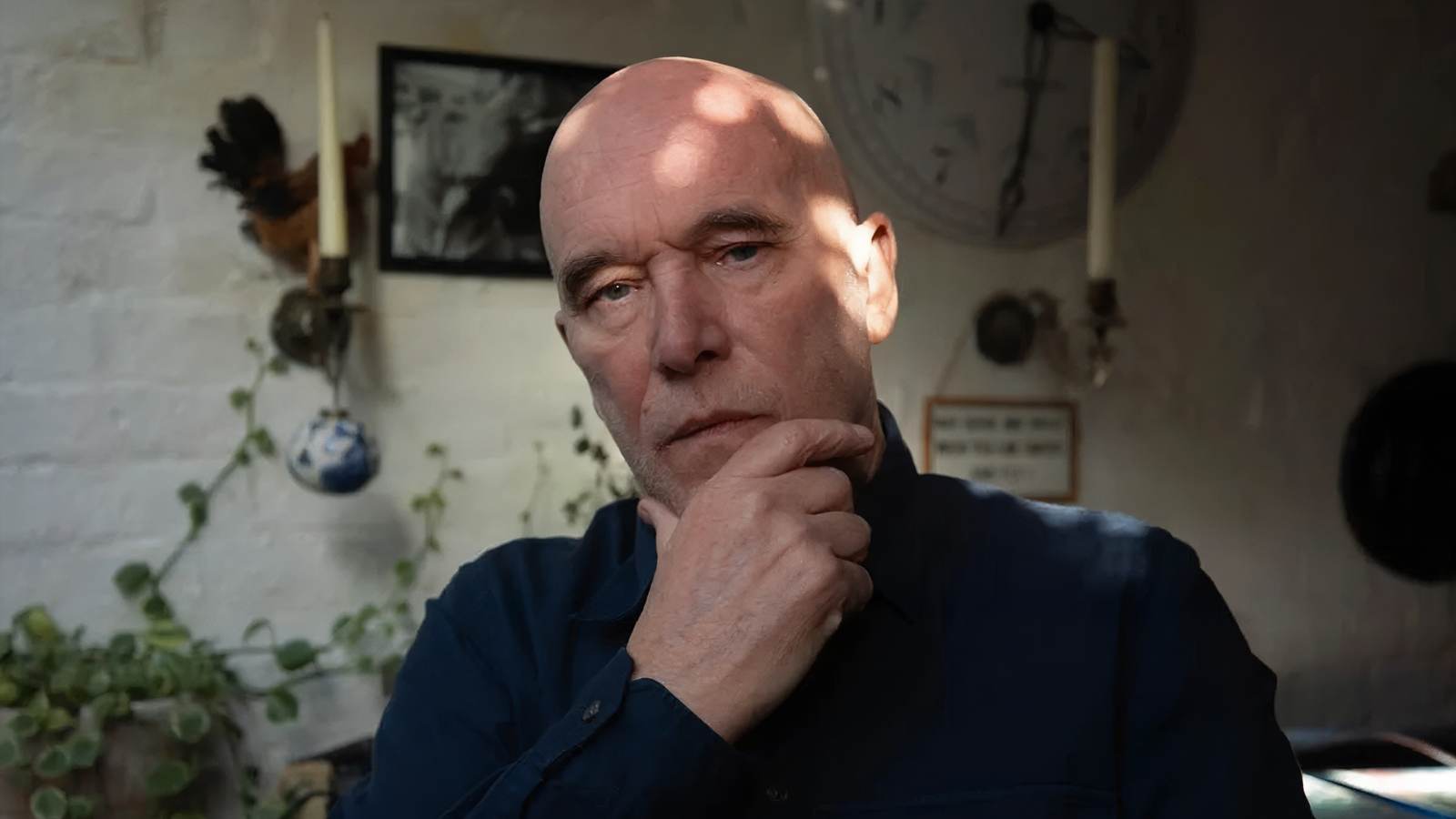
Comforting the Disturbed, Disturbing the Comfortable
Biography
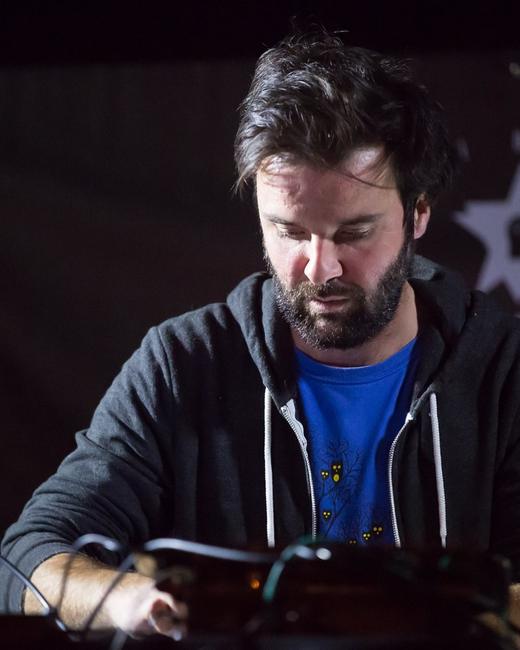
Adrian Sherwood's musical journey began in London in the late 1960s and early 1970s, when as a teenager, he hung around West Indian clubs, absorbing the rhythms of ska, rocksteady, and dub that spilled onto the street. From those early influences, he developed a lifelong obsession with reggae's depth, but always with a restless urge to push its boundaries. He licensed Jamaican tapes, built small labels (Carib Gems, Hitrun), and gradually honed a style of studio as instrument.
In 1979, he founded On-U Sound, which became his main vehicle for sonic experiments, working with Jamaican voices (Prince Far I, Bim Sherman, Creation Rebel) alongside punk and post-punk figures. By combining reverbs, delays, tape feedback, reverse echoes, and bold processing, Sherwood carved out a signature aesthetic of dub noir, often deconstructing tracks into abstract landscapes rather than straightforward mixes.
As his career evolved, Sherwood became a bridge between worlds: collaborating with Lee "Scratch" Perry on Rainford and Heavy Rain, remixing industrial and electronic acts like Depeche Mode, Nine Inch Nails, Ministry, Primal Scream, and forging ties with the emerging bass music community (e.g. his work with Pinch). In interviews, he has often described himself as somewhat "tone deaf," preferring to work by ear, textures, and intuitive manipulation rather than conventional musicianship.
Sherwood's output in the 21st century has included solo albums (Never Trust a Hippy, Becoming a Cliché, Survival & Resistance) and recent large-scale reworking projects (e.g. Lucifer on the Moon rework by Spoon, Reset in Dub with Panda Bear x Sonic Boom). In 2025, he released The Collapse of Everything, his first solo non-collaborative album in over a decade, continuing to merge dub tradition with modern production tools and even AI-aided techniques.
Through his decades of boundary-crossing, Sherwood remains a revered elder figure: an enabler, provocateur, and sonic architect who insists on experimentation, disruption, and the continued evolution of dub into new electronic territories.
The ReggaeEDM analysis
What to listen for
A landmark meeting of two dub visionaries; listen for the wild interplay of Perry's voice with Sherwood's cascading effect madness.
His first full solo statement; hear how he combines reggae cores (Sly & Robbie, Lenky) with leftfield textures and ambient spaces.
Features multiple vocal collaborators; balance between song structure and dub breakdowns is instructive.
A modern instrumental statement; listen for cinematic distortion, delay, shifting rhythms.
Influence on ReggaeEDM
Innovations: Sherwood pioneered using dub studio techniques as production tools beyond reggae, applying them to post-punk, industrial, electronic music, thereby seeding the aesthetics of ReggaeEDM. His extreme delays, backward reverbs, micro-editing, and emphasis on spatial effect anticipated the textures of modern bass and dubstep hybrids.
Impact: Many ReggaeEDM producers regard Sherwood as a spiritual forebear. His approach to treating the studio as an instrument, fragmenting rhythms, subverting expectations of continuity, and layering dub heritage into electronic contexts has informed how reggae and EDM can fuse, not as a compromise but as a collision.
Recommended albums
2003
Key tracks: Hari Up Hari, No Dog Jazz, Paradise Of Nada
First solo LP on Real World Records, crystallizing his dub laboratory approach with heavyweight rhythm sections and spacious FX.
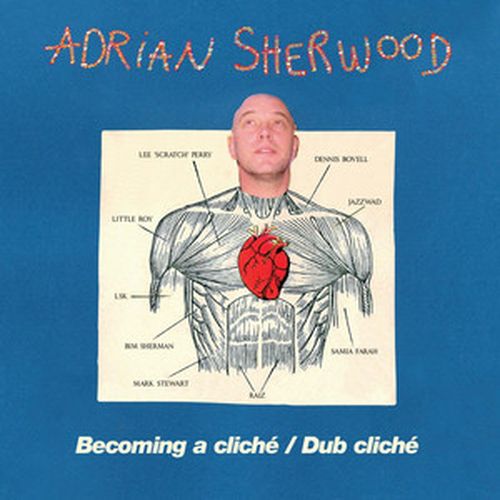
2006
Key tracks: Two Versions Of The Future, Animal Magic, J'ai Changé
A double set pairing the vocal album with a companion dub disc that shows his mixboard-as-instrument philosophy at full tilt.
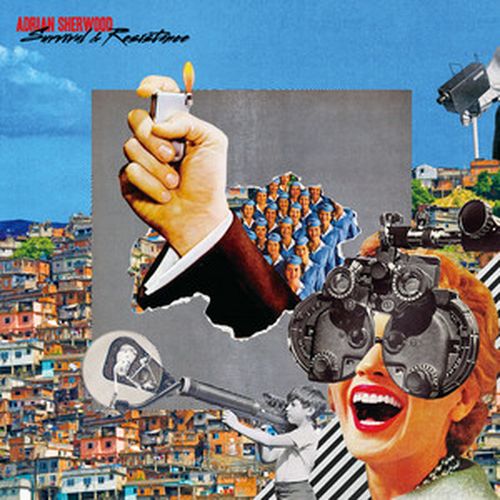
2012
Key tracks: Balance, Trapped Here, We Flick The Switch
Late-period solo statement with atmospheric, slow-burn dubs and sharp sound-design detail.
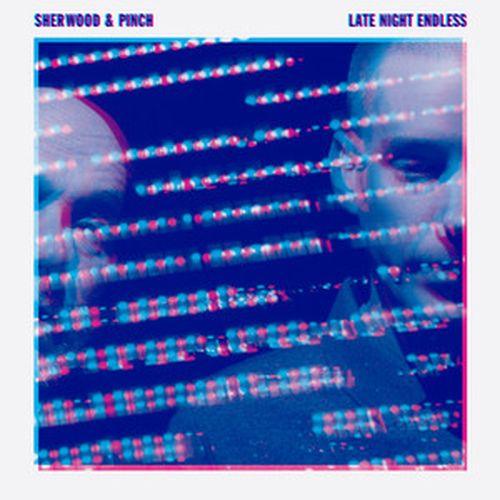
2015
Key tracks: Shadowrun, Gimmie Some More (Tight Like That), Run Them Away
Cross-generational UK bass meeting of Sherwood and Pinch, fusing dub architecture with modern low-end science.
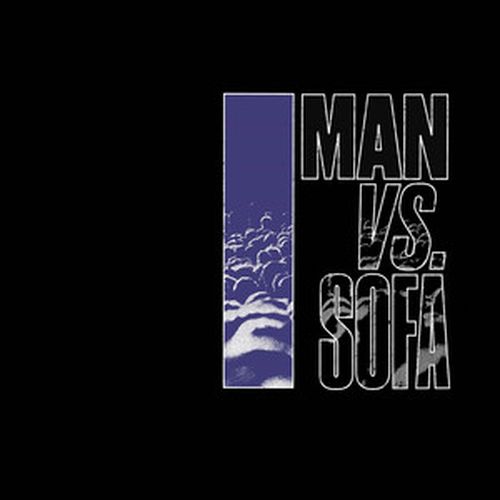
2017
Key tracks: Roll Call, Midnight Mindset, Lies
A leaner, more breathable follow-up that spotlights piano motifs and a standout Lee "Scratch" Perry vocal feature.
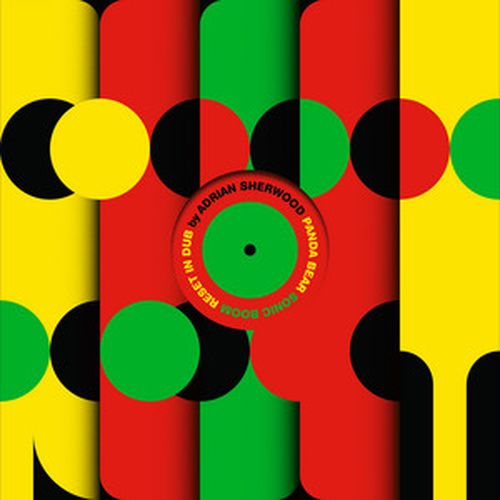
2023
Key tracks: Whirlpool Dub (Adrian Sherwood 'Reset In Dub' Version), Gettin' To The Point Dub (Adrian Sherwood 'Reset In Dub' Version), Everything's Been Leading To This Dub (Adrian Sherwood 'Reset In Dub' Version)
Full-album reconstruction of Reset that adds horns, strings, and tectonic bass while stripping and re-voicing the originals.
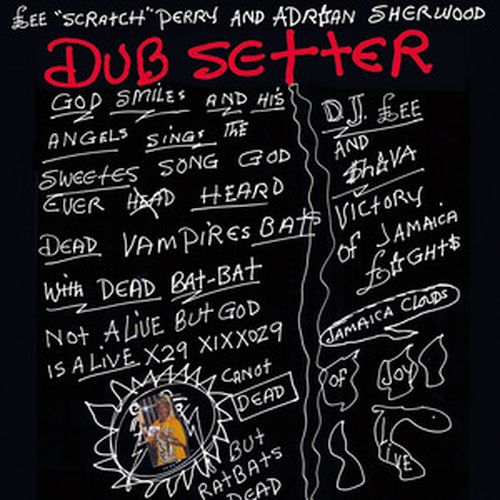
2015 reissue; original 2009
Key tracks: His Master's Voice, Lucky Tarzan, Kingston Tower
Sherwood's dub reworks of The Mighty Upsetter sessions, a clinic in versioning and spatial FX.
From the news desk
Official channels
Keep digging
Left and right arrow keys flip between profiles.