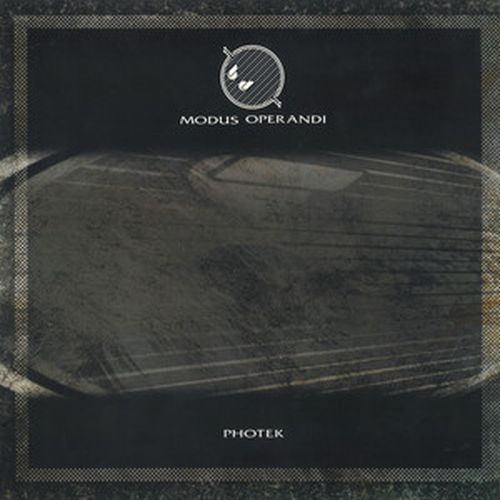
1997
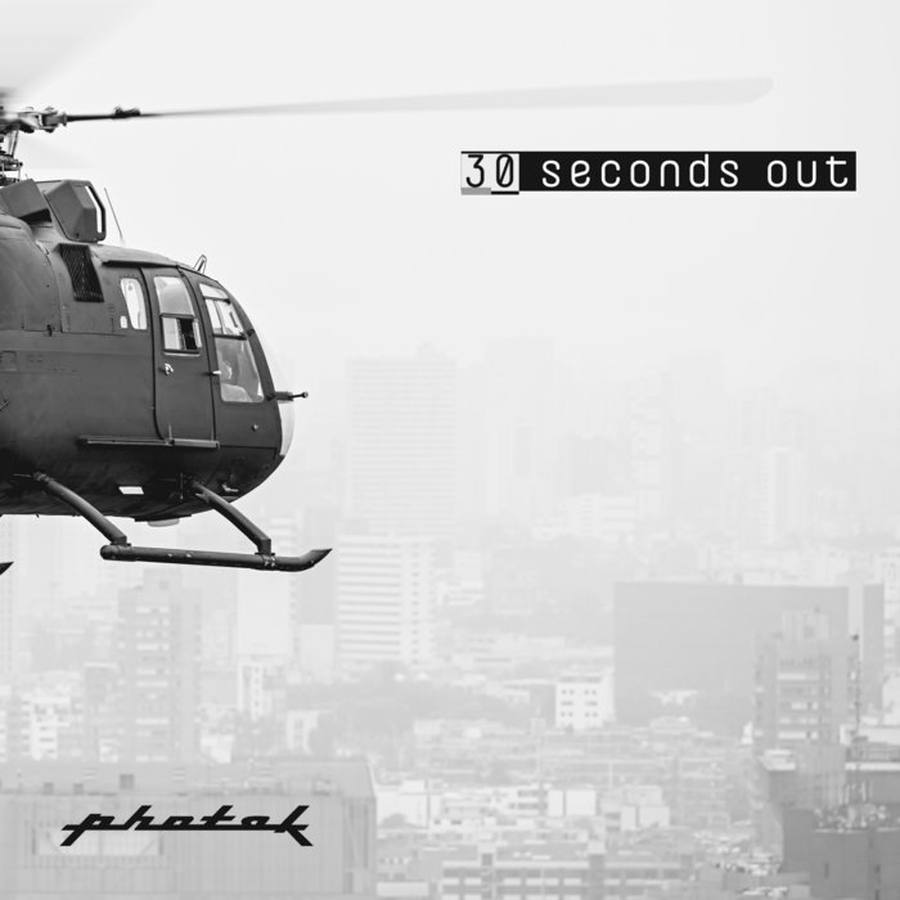
Modus Operandi
Key tracks: Ni-Ten-Ichi-Ryu, The Hidden Camera, Minotaur
Photek's breakthrough full-length that defined his surgical, cinematic approach to drum and bass.
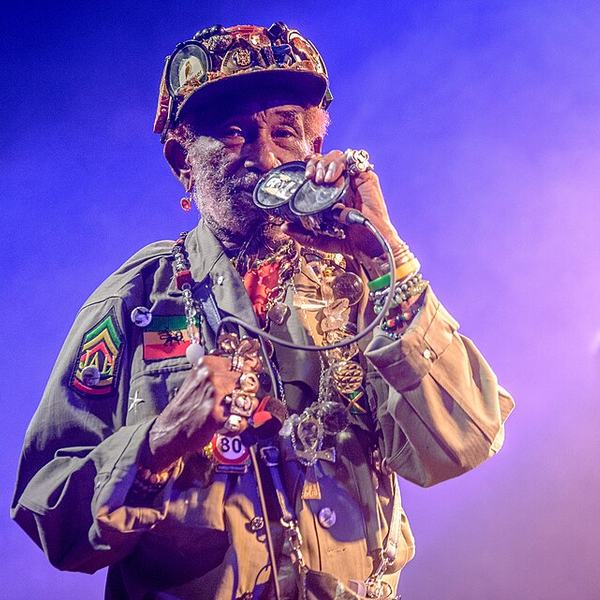 Lee "Scratch" Perry
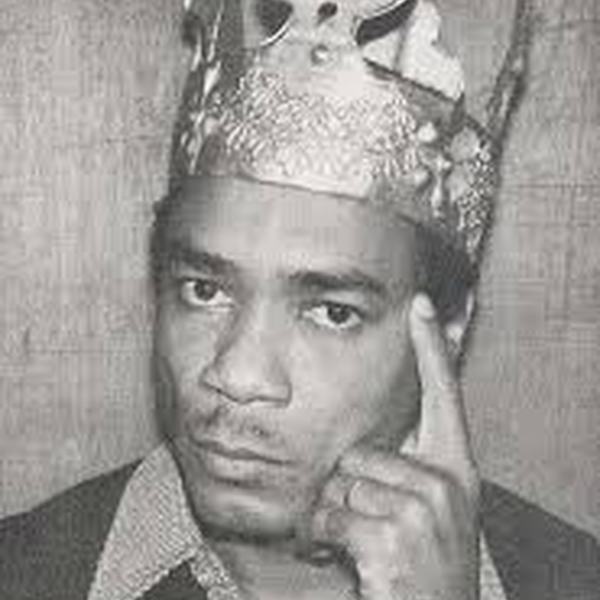 King Tubby
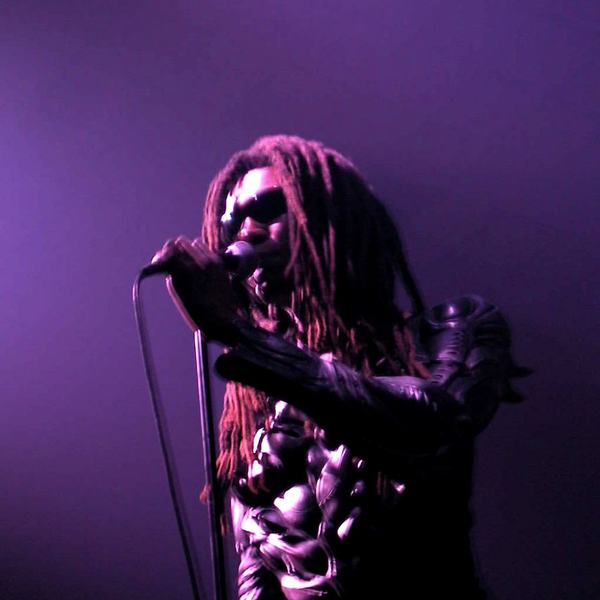 Kēvens
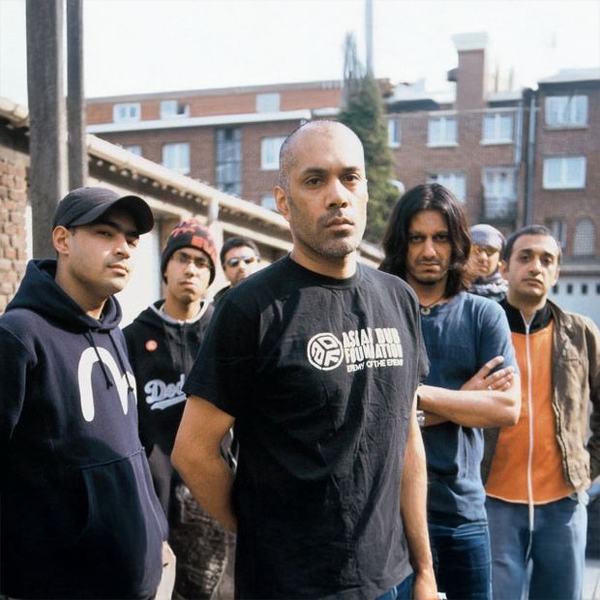 Asian Dub Foundation
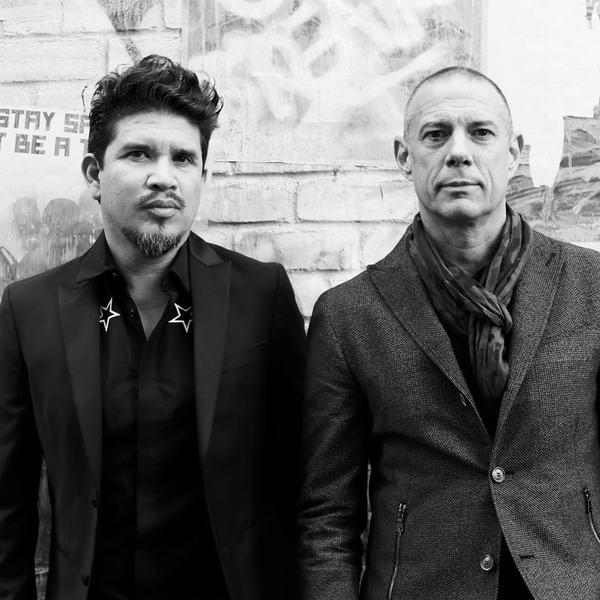 Thievery Corporation
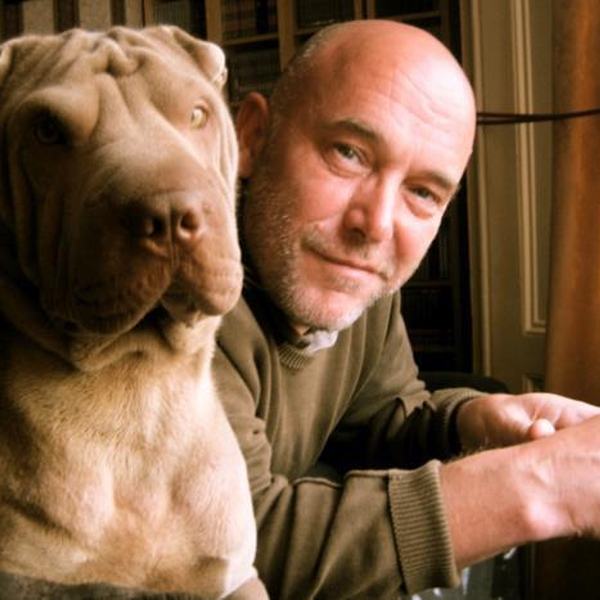 Adrian Sherwood
 General Levy
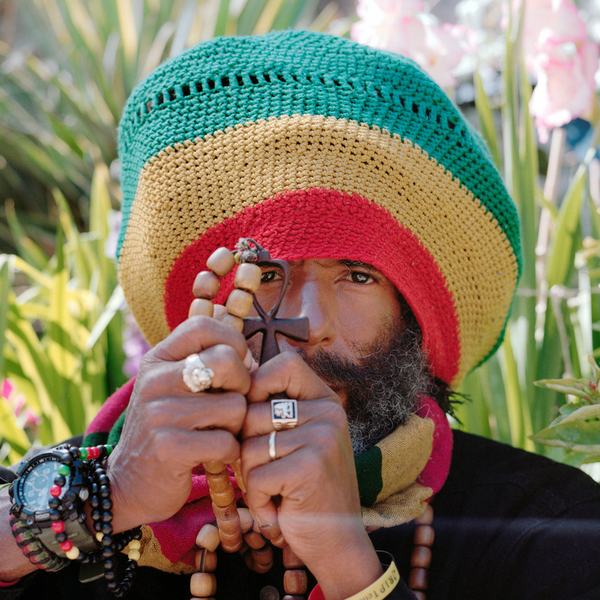 Congo Natty
 Major Lazer
 Skrillex
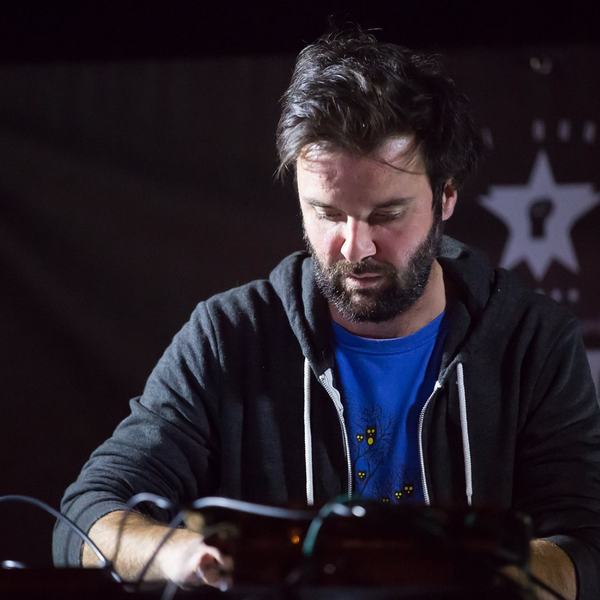 Ondubground
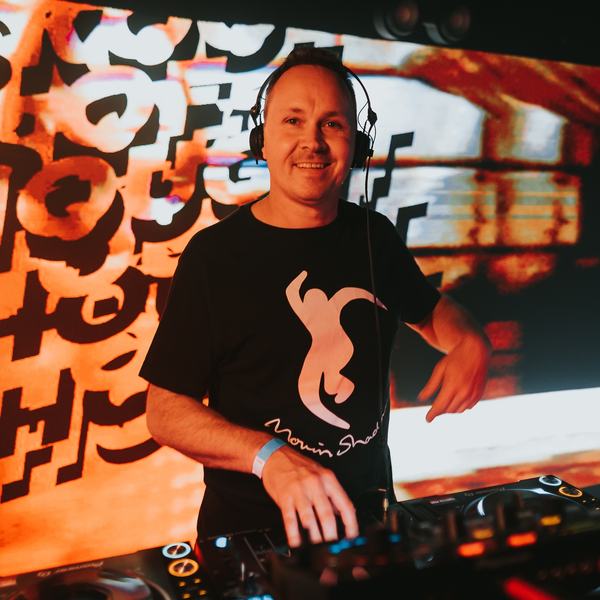 Skool of Thought
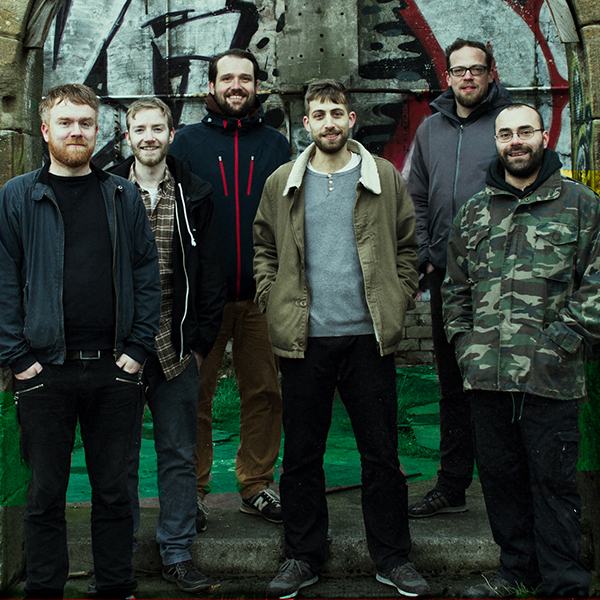 Mungo's Hi Fi
 The Toughers
 Atlantic Connection
 Laroz
Laroz Zingara
 Clipz
Clipz LTJ BUKEM
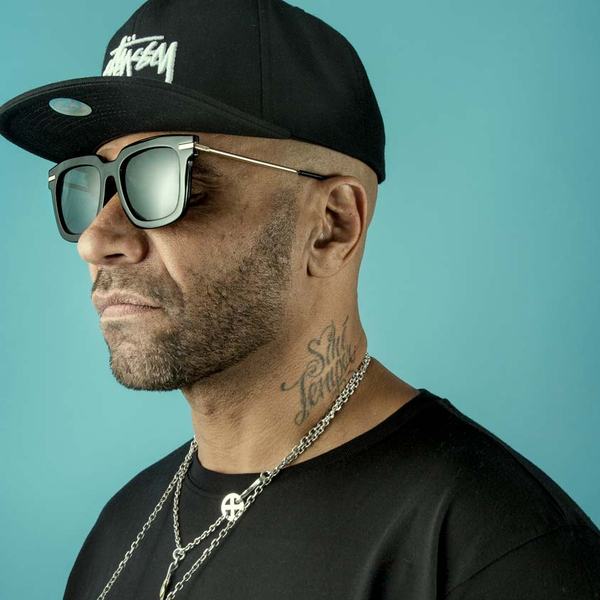 Goldie
 Photek
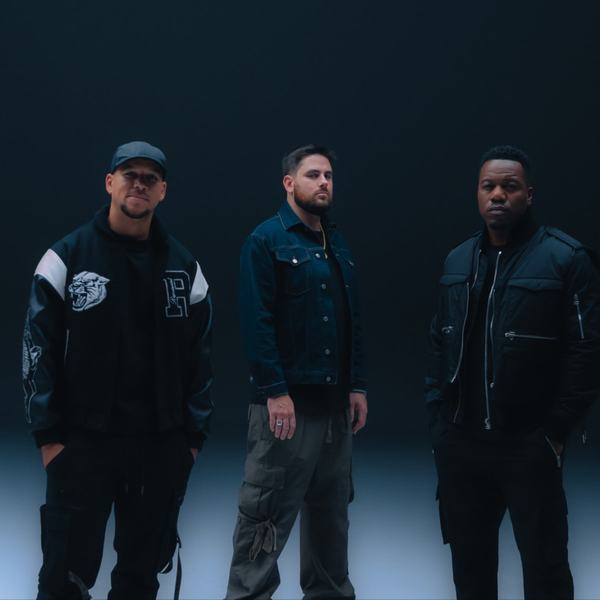 Rudimental
 Asher Senator
Precision builds tension. Space is the instrument.
Biography
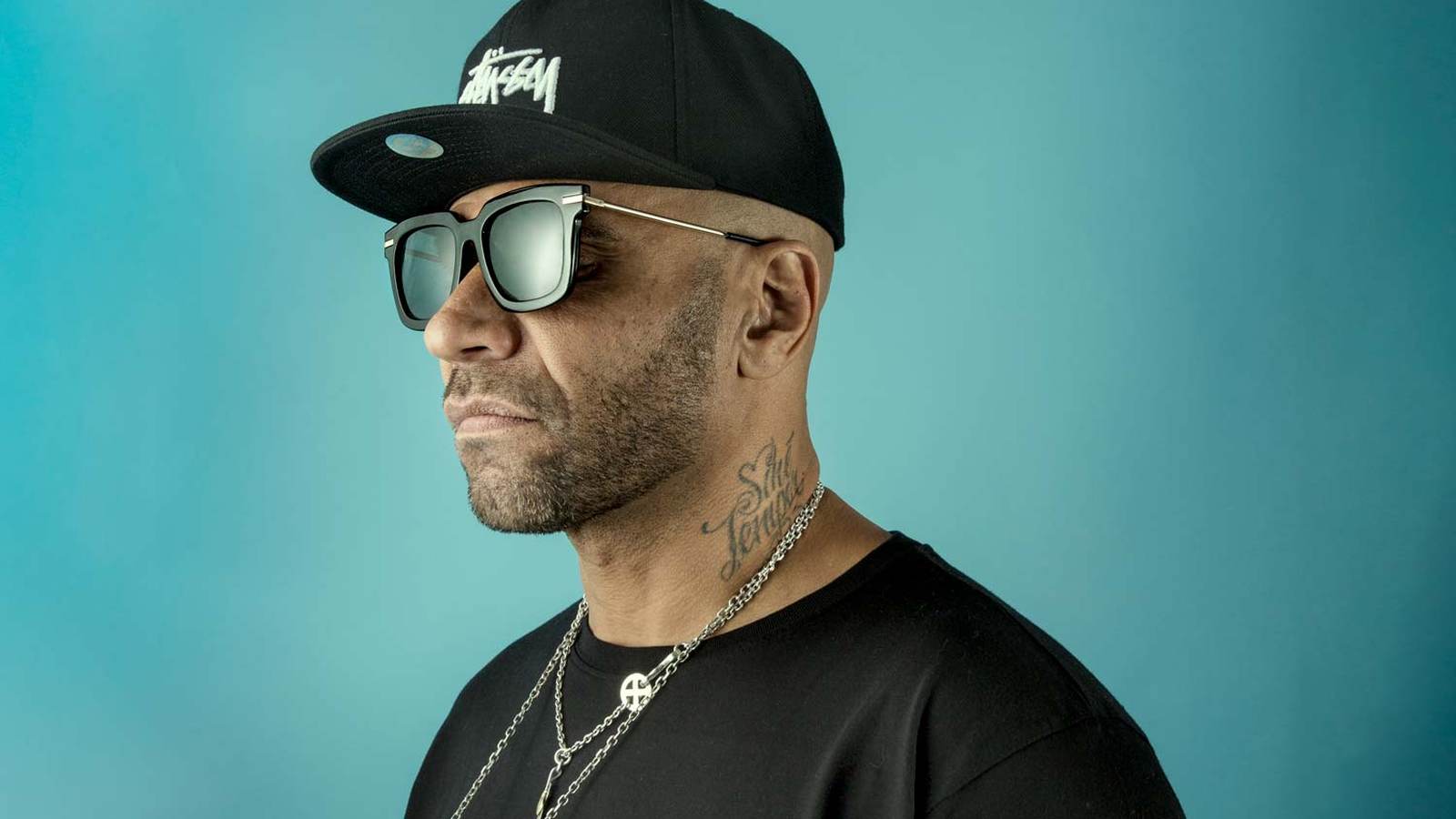
Rupert Parkes, a.k.a. Photek, is one of the defining architects of precision-driven jungle and drum and bass whose forensic studio techniques and love of cinematic textures recast the rhythms of UK bass music into a stark, immersive sound that has influenced producers across electronic, reggae-inflected bass music and modern EDM production.
Rupert Parkes adopted the Photek name in the mid-1990s and quickly became a central figure in the UK jungle and drum and bass underground. Emerging from the same era that produced Goldie and LTJ Bukem, Parkes stood out for his lean, martial approach to percussion and an obsessive focus on micro-editing. Early 12" releases and EPs on independent labels built him a reputation as a producer who could make small sounds feel enormous and who treated silence and negative space as core compositional tools.
Photek's 1997 album marked the point where his studio methodology and musical ideas coalesced into full-length form. The record combined surgical breakwork, foley-style sound design, and a restrained, cinematic sense of mood that set him apart from peers pursuing maximalist club aggression. Through the late 1990s and early 2000s, he expanded his palette, releasing compilations and a more house and techno-informed album that demonstrated his willingness to push beyond the genre box.
Across the 2000s and 2010s, Parkes balanced production work, film and television scoring, and selective dancefloor releases. He moved between composing for the screen and making records, which sharpened his sense of narrative in music. When he returned with later albums and EPs, he did so as a producer who brought filmic structure to electronic tracks, integrating vocal collaborations and wider harmonic ideas while retaining a trademark rhythmic rigidity.
Today, Photek operates between Los Angeles and international studios, still releasing records, DJing selectively, and composing for film and games. His output continues to be cited by producers in drum and bass, dubstep, and hybrid reggae-bass scenes for its combination of engineering rigor and evocative atmosphere.
The ReggaeEDM analysis
What to listen for
Listen for the razor-sharp snare edits and the way single drum hits are arranged as rhythmic motifs; a masterclass in micro-timing.
Parkes' definitive drum and bass statement that fuses claustrophobic atmospheres, surgical drum programming and cinematic tension. Hear the sparse use of melody and the emphasis on negative space.
A crossover single featuring Robert Owens that shows Photek's ability to write wider, house-inflected arrangements while maintaining bass weight and groove.
An experimental pivot toward techno and house influences; listen for extended song structures, vocal collaborations, and deeper harmonic material.
A return-to-form album that blends modern production polish with Photek's trademark precision; notable for textural variety and compositionally driven tracks.
Influence on ReggaeEDM
Innovations: Photek pioneered extreme micro-editing of breakbeats and the integration of foley sound-design into dancefloor contexts, techniques that have been absorbed into modern bass and hybrid reggae productions.
Impact: His insistence on space, clarity and engineering detail influenced a generation of producers who fuse reggae-derivative grooves with electronic production values, helping to raise the standard for arrangement and mixcraft in UK bass music.
Recommended albums
1997
Key tracks: Ni-Ten-Ichi-Ryu, The Hidden Camera, Minotaur
Photek's breakthrough full-length that defined his surgical, cinematic approach to drum and bass.
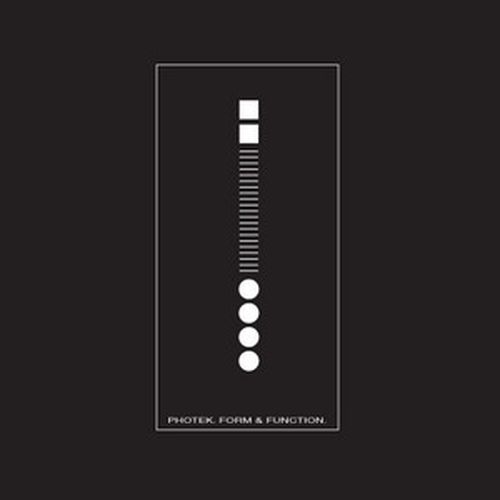
1998
Key tracks: The Seven Samurai, Knitevision, UFO
A collection that pairs remixes and originals, collecting some of his most influential 12" work and showing the range of his production across single releases.
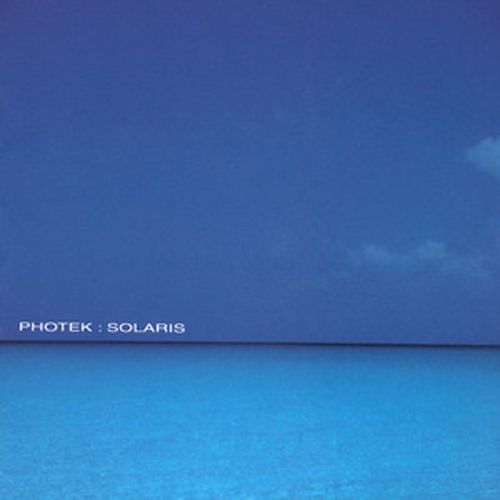
2000
Key tracks: Mine To Give, Can't Come Down, Solaris
A stylistic pivot embracing house and techno elements while retaining Photek's emphasis on texture and rhythmic precision.
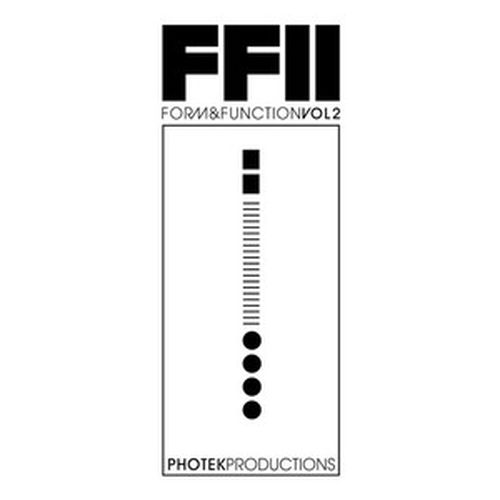
2007
Key tracks: Industry Of Noise, Love & War, One Nation
A curated collection of dubplates, remixes and unreleased material that bridges his 1990s output with later work.
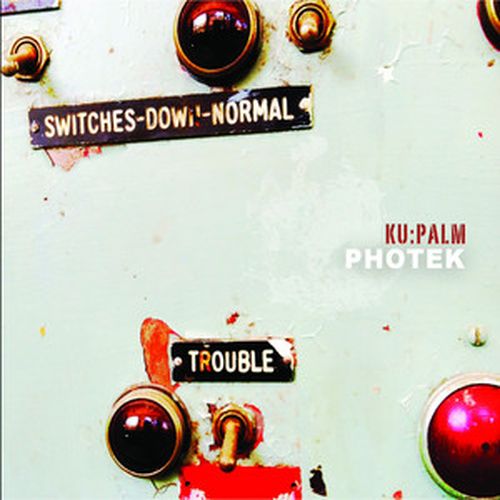
2012
Key tracks: Signals, Quadrant, Aviator
A later album that reasserts Photek's compositional focus and modern production techniques while nodding to his cinematic instincts.
From the news desk
Official channels
Keep digging
Left and right arrow keys flip between profiles.