1991
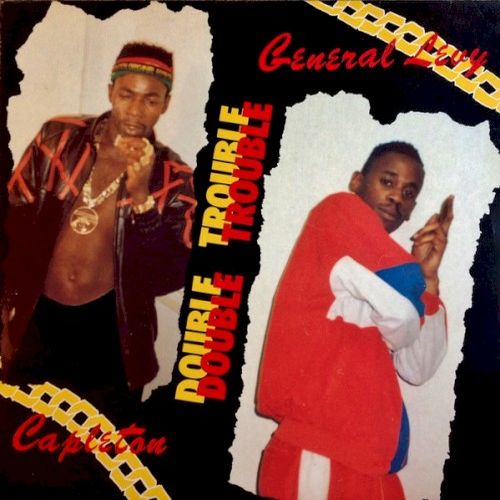
Double Trouble
Key tracks: Original Length & Strength, Heat, Champagne Body
A foundational album bridging his dancehall/reggae roots with early experiments that precede jungle crossover
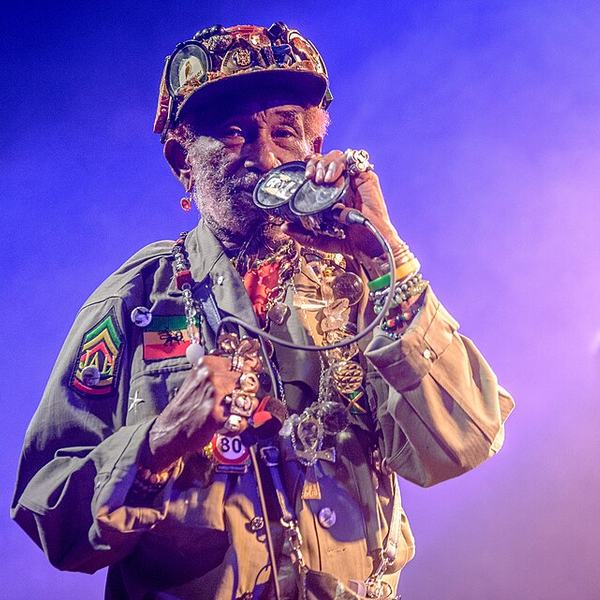 Lee "Scratch" Perry
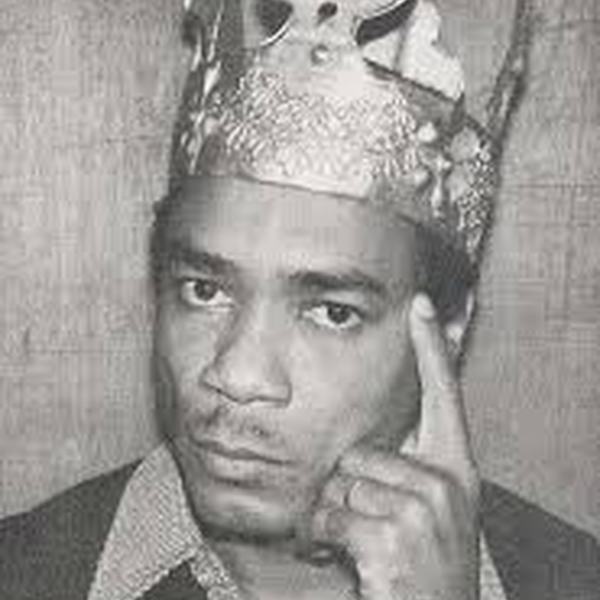 King Tubby
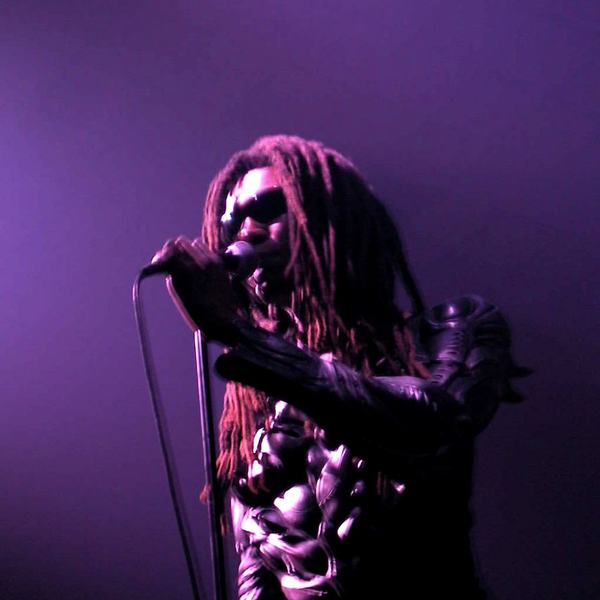 Kēvens
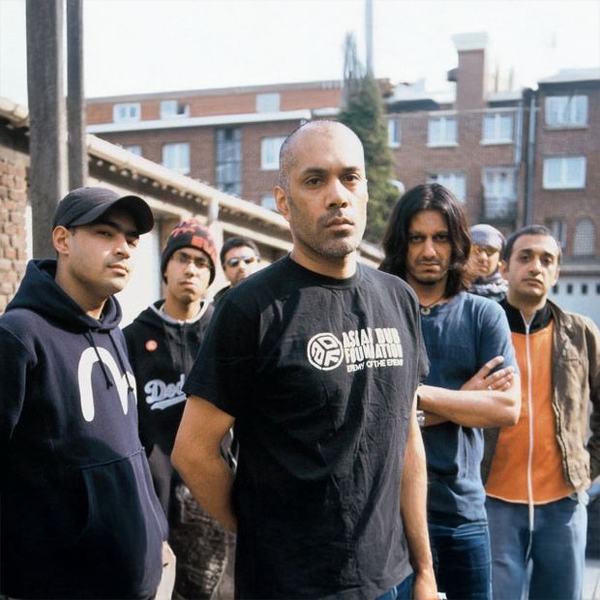 Asian Dub Foundation
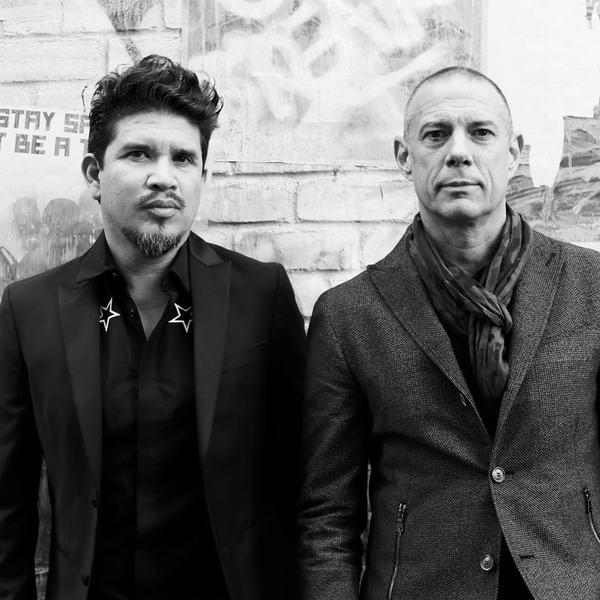 Thievery Corporation
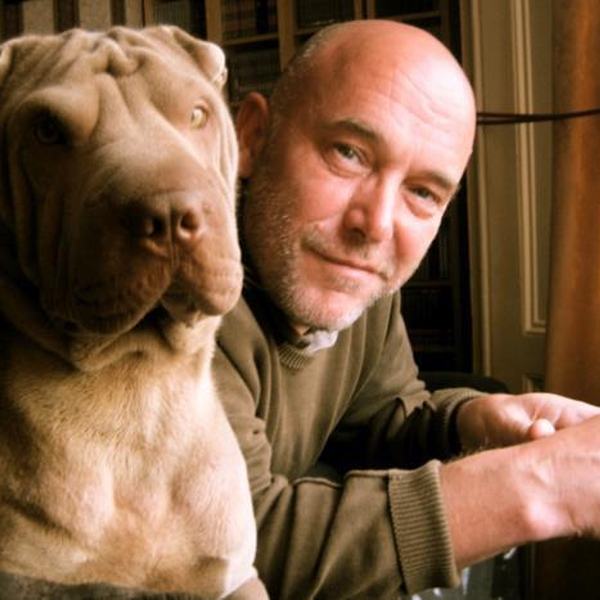 Adrian Sherwood
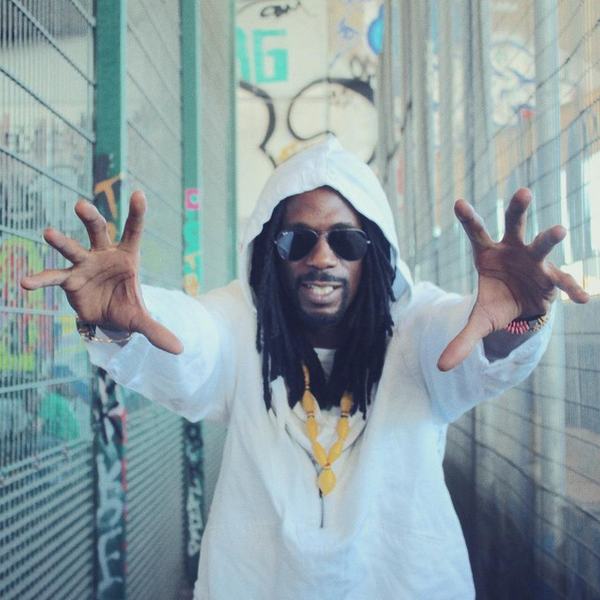 General Levy
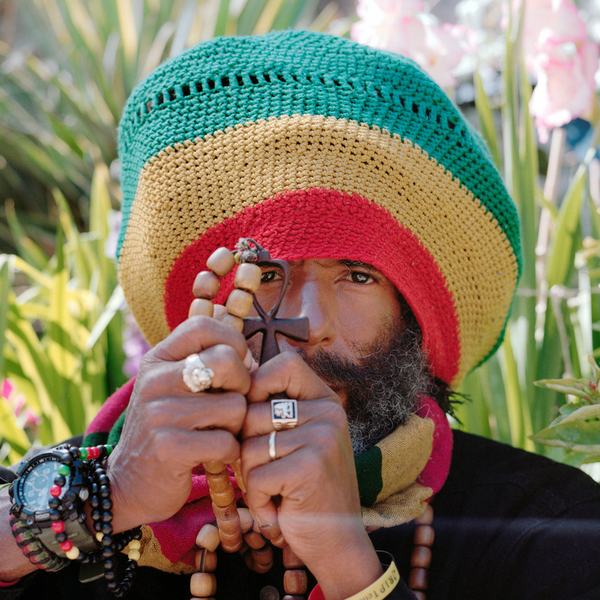 Congo Natty
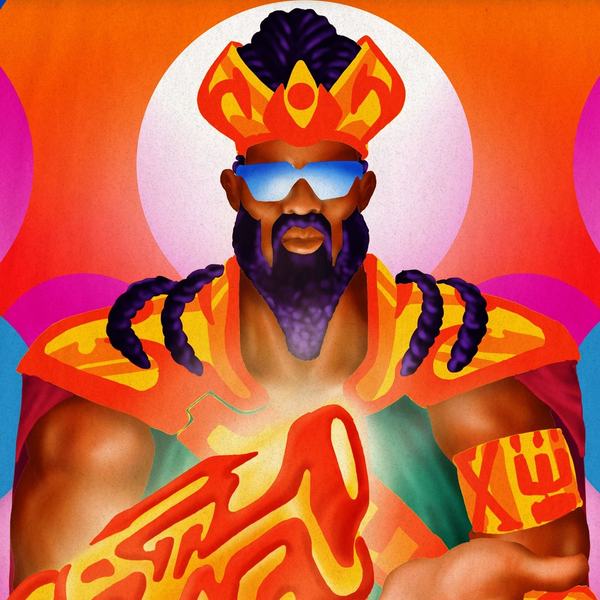 Major Lazer
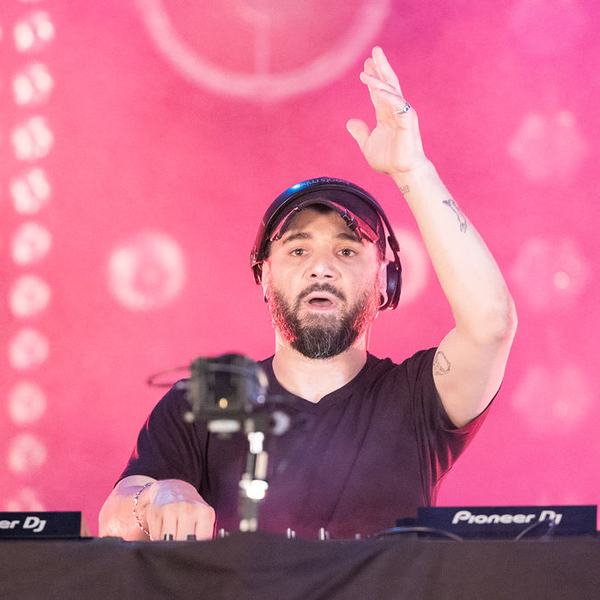 Skrillex
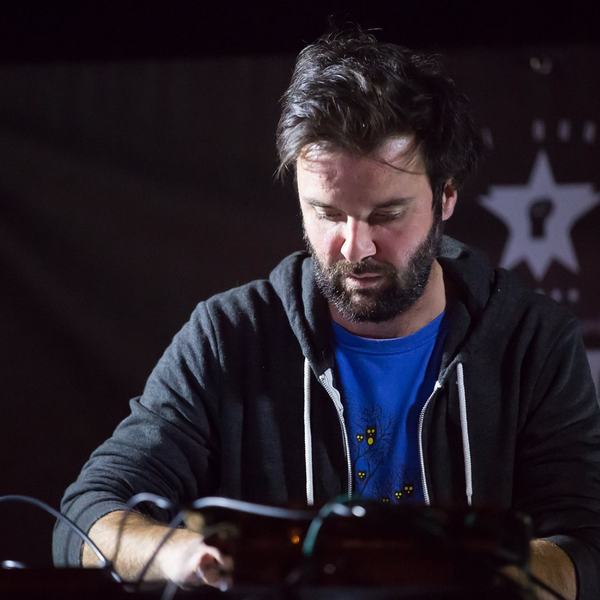 Ondubground
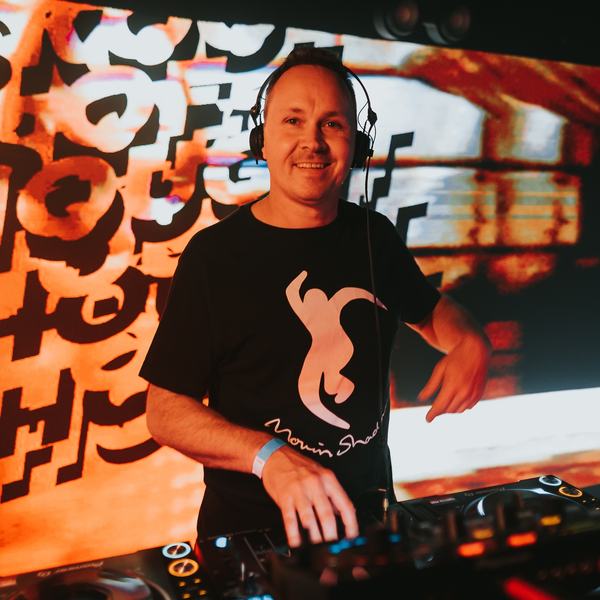 Skool of Thought
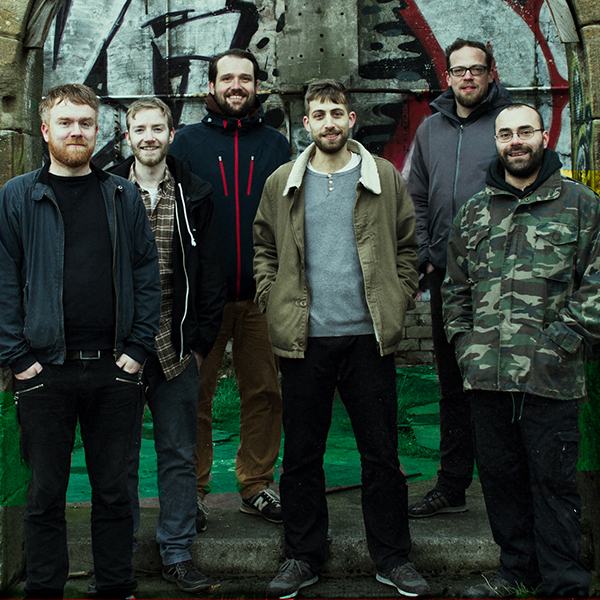 Mungo's Hi Fi
 The Toughers
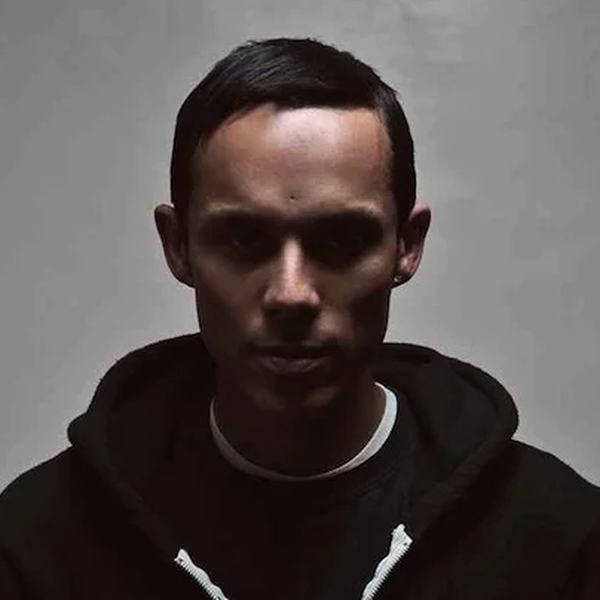 Atlantic Connection
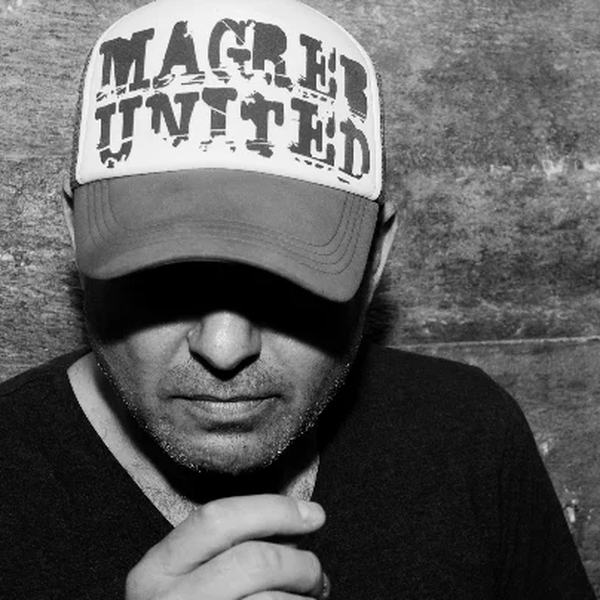 Laroz
Laroz Zingara
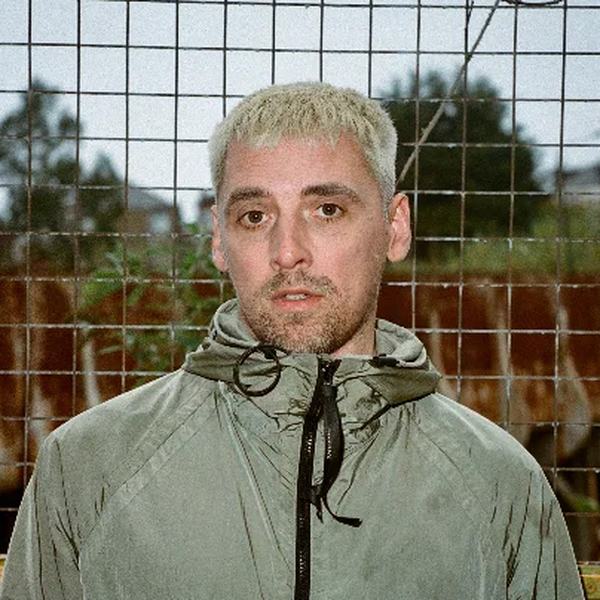 Clipz
Clipz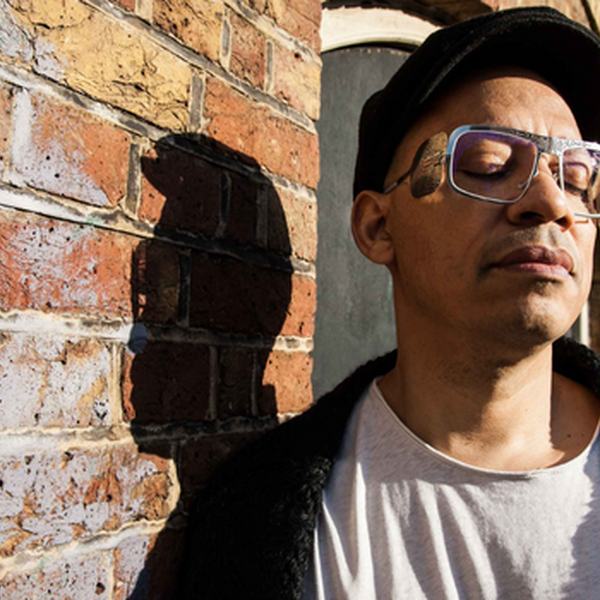 LTJ BUKEM
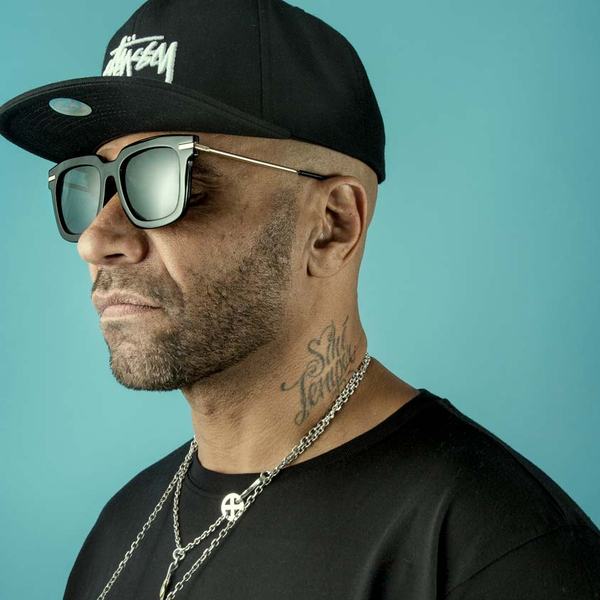 Goldie
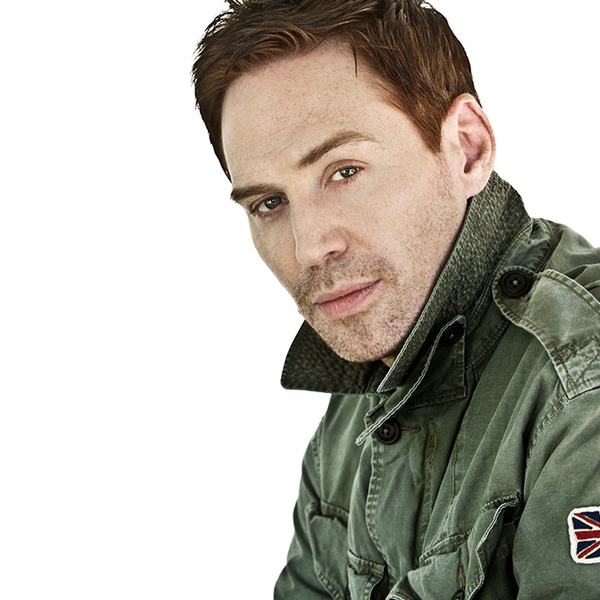 Photek
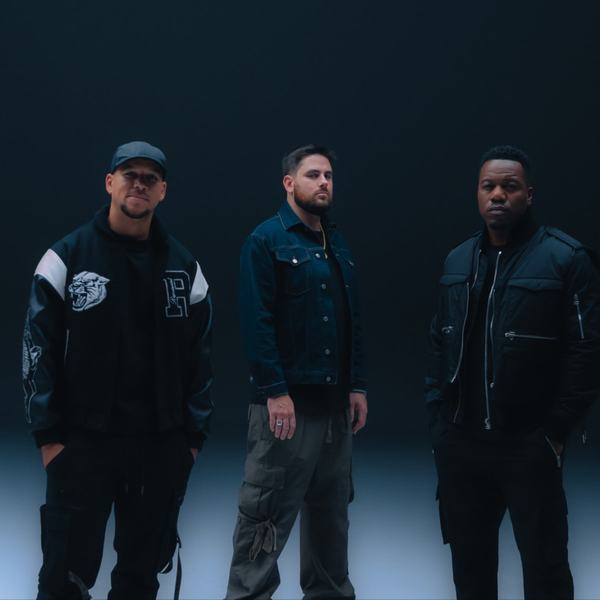 Rudimental
 Asher Senator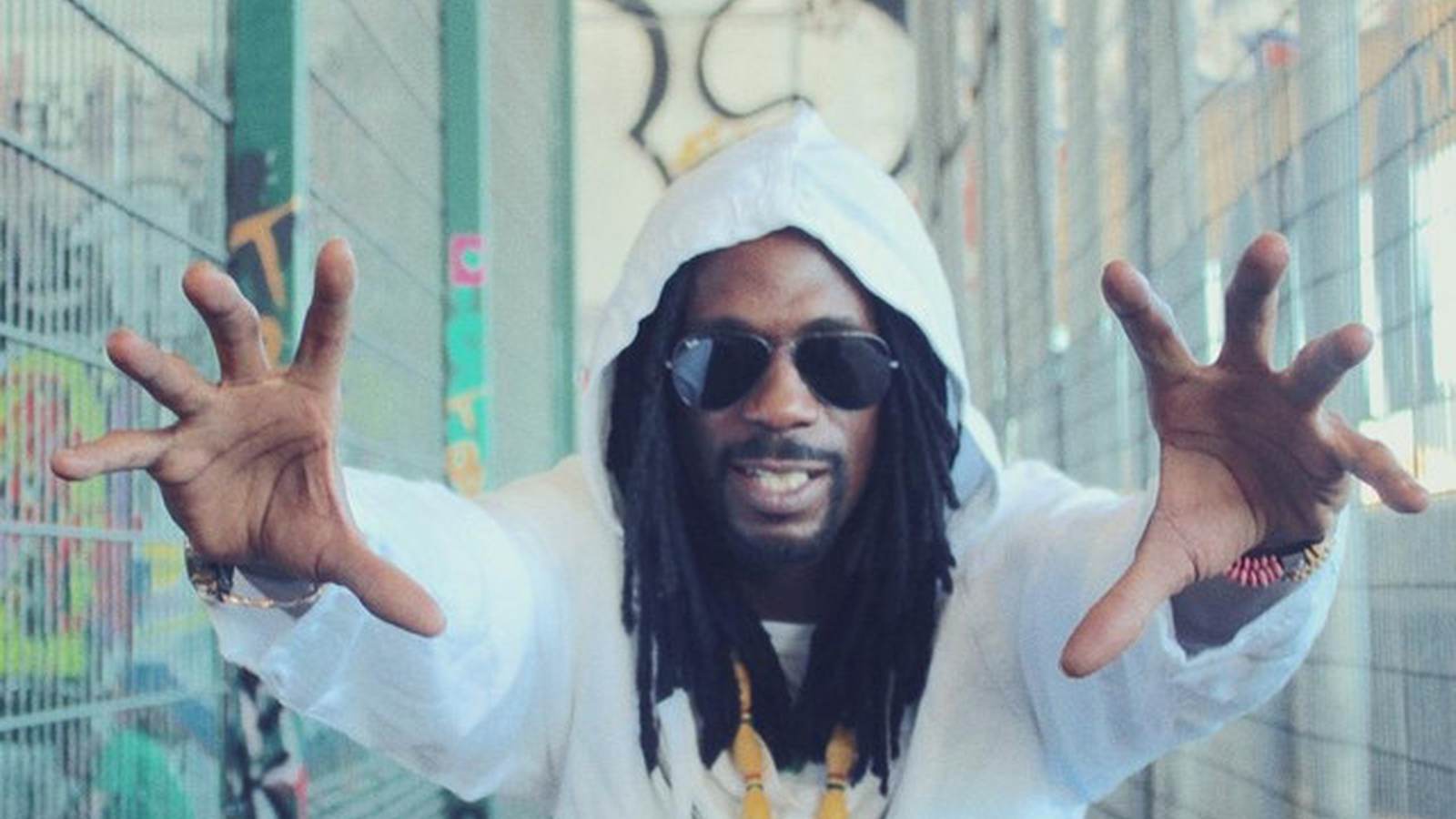
Positive upliftment and real education
Biography
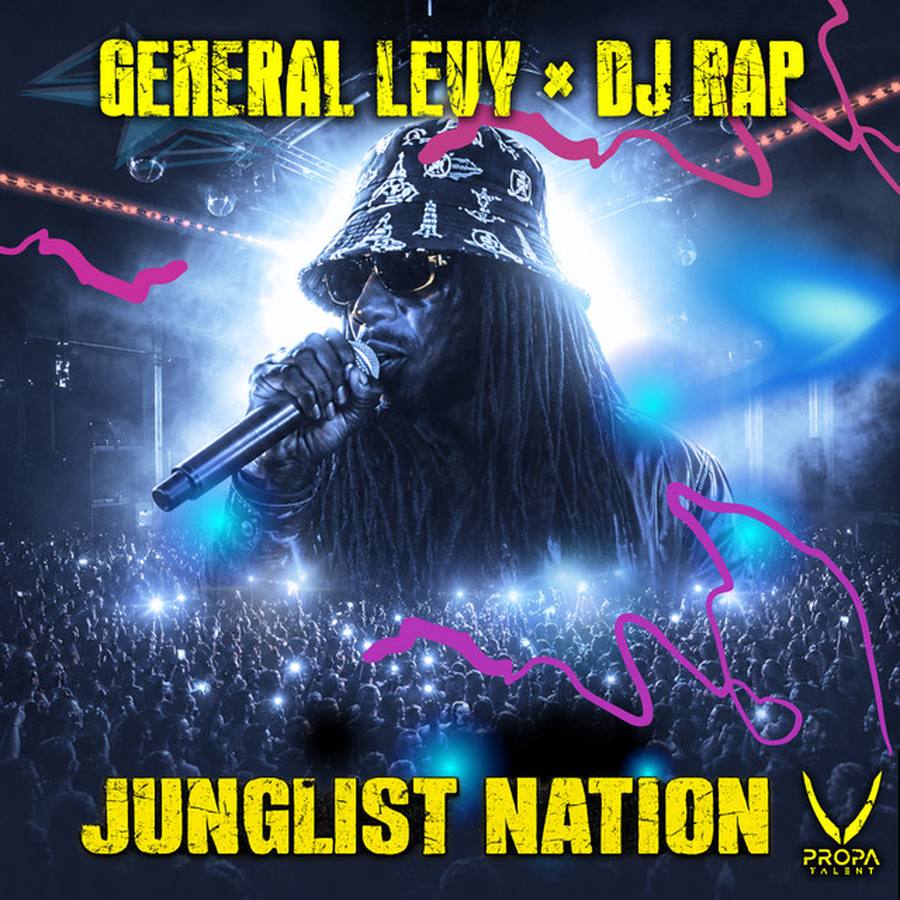
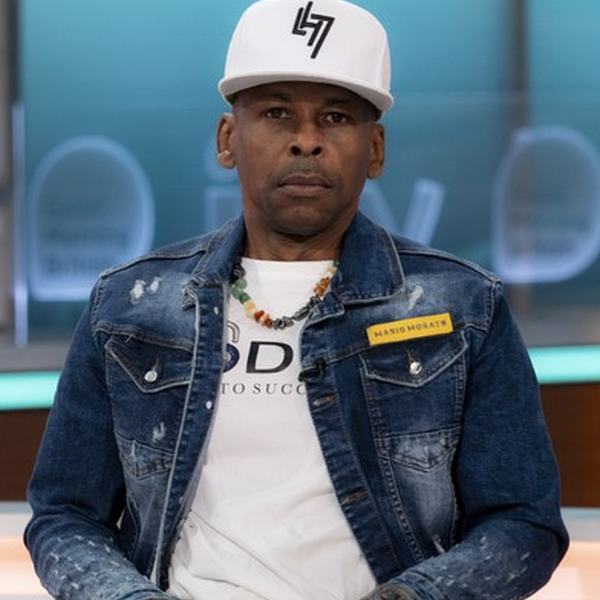
A firebrand ragga MC turned jungle and drum & bass icon, General Levy bridged the worlds of reggae, dancehall, and UK bass music in the 1990s and beyond: his voice, energy, and fearless crossover spirit remain a galvanizing force in ReggaeEDM culture.
Paul Levy was born in 1971 at Central Middlesex Hospital in northwest London and spent his childhood in the vibrant multicultural neighborhoods of Harlesden and Wembley. His older brother Winston Irie exposed him early to a wide sonic palette (ska, rocksteady, calypso, soul, hip hop, reggae), embedding in him a deep respect for musical roots and rebellious voices. From a young age he was engrossed in sound system culture and the militant edge of 'rebel music'.
By the age of twelve he began writing lyrics, and by fourteen he and friends launched their own sound system called Third Dimension. Over time he took part in local London systems such as Vigilante, Java, and TipperTone, building a reputation for lyrical agility, creative phrasing, and magnetic stage presence. His early studio output emerged in underground dancehall circles, working with producers such as Lloydy Crucial and Robbo Ranx, eventually connecting with Fashion Records and their in-house producer Gussie P.
Levy's mainstream breakthrough came in 1994 through a collaboration with jungle producer M-Beat on the track "Incredible." The song became one of the first jungle tunes to enter the UK Top 10, bringing Levy's voice and style to a broader audience. The success was not without friction: a bold remark about "running jungle" stirred controversy within the underground community, creating tension before the track ultimately became canonized. Through that era, he navigated between rave, reggae, and dancehall spheres with boldness.
Over subsequent decades he has continued straddling genres, from reggae and dancehall to drum & bass, jungle, and hybrid electronic sounds. He has collaborated with artists like Capleton, Joe Ariwa, Chase & Status, Spragga Benz, and more, and also launched his own label GLM Records. His career reflects both deeply rooted reggae sensibility and a willingness to push boundaries.
The ReggaeEDM analysis
What to listen for
His defining crossover track with M-Beat; listen for the interplay of jungle drums and his energetic vocal hook.
A reggae / dancehall album which shows his roots grounding before jungle fusion.
Early solo statement capturing his dancehall/reggae voice before full jungle adoption.
A bridge record that begins to hint at more aggressive energy integrated into his reggae base.
A later period work that embraces hybrid collaborations and modern bass textures.
Influence on ReggaeEDM
Innovations: He helped demonstrate that an MC from dancehall and reggae origins could successfully cross into jungle and drum & bass realms without losing authenticity. His "hiccup" MC technique influenced many later jungle/reggae MCs.
Impact: Many UK and global artists cite Levy's bold bridging of reggae and electronic bass as a template for genre fusion. His bridging role helped pave more openness in ReggaeEDM collaborations between roots voices and bass producers.
Recommended albums
1991
Key tracks: Original Length & Strength, Heat, Champagne Body
A foundational album bridging his dancehall/reggae roots with early experiments that precede jungle crossover
1992
Key tracks: The Wickeder General, Mr Push It Good, Monkey Man
Solidifies his solo voice in the reggae/dancehall world before his jungle era
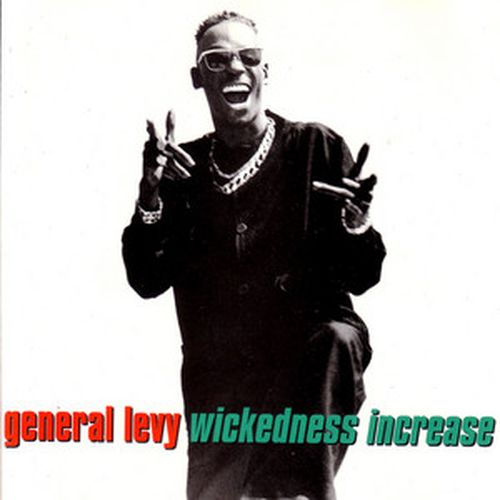
1993
Key tracks: Champagne Body, Heat, Wickedness Increase
A record that leans harder into dancehall energy and sets the stage for his genre pivot
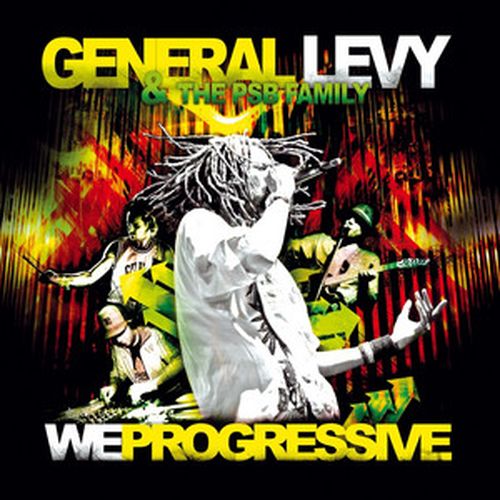
2011
Key tracks: We Progressive, Pull Up, Flex
A later period album featuring cross-genre collaborations and modern bass integration
From the news desk
Official channels
Keep digging
Left and right arrow keys flip between profiles.